
Short sentences.
You're often both writing in English. Short sentences mean fewer misunderstandings.
Importing from China · Communication
 Quote request
For most emails, clear English is enough. A Chinese translation helps with something important: a complaint, a technical requirement or a contract. Have a translation from an AI tool checked by someone who speaks Chinese, especially if money or liability is involved.
Have a lawyer draw up a contract or an NNN agreement, in Chinese.
"Thank you for the update on production. We understand that there can be delays. For our planning it is important that the goods leave before [date]. Could you let us know what is needed to make this possible? We are happy to discuss options."
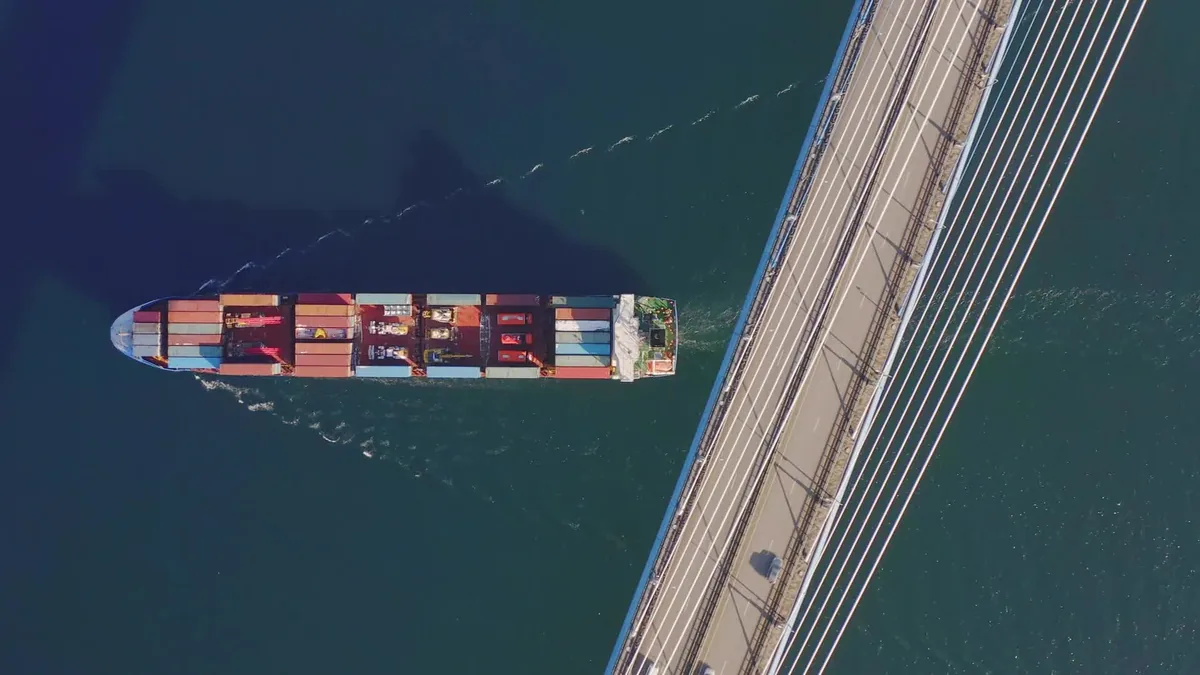
You and your supplier are in agreement? Then request your transport. You'll have your price within 1 working day.
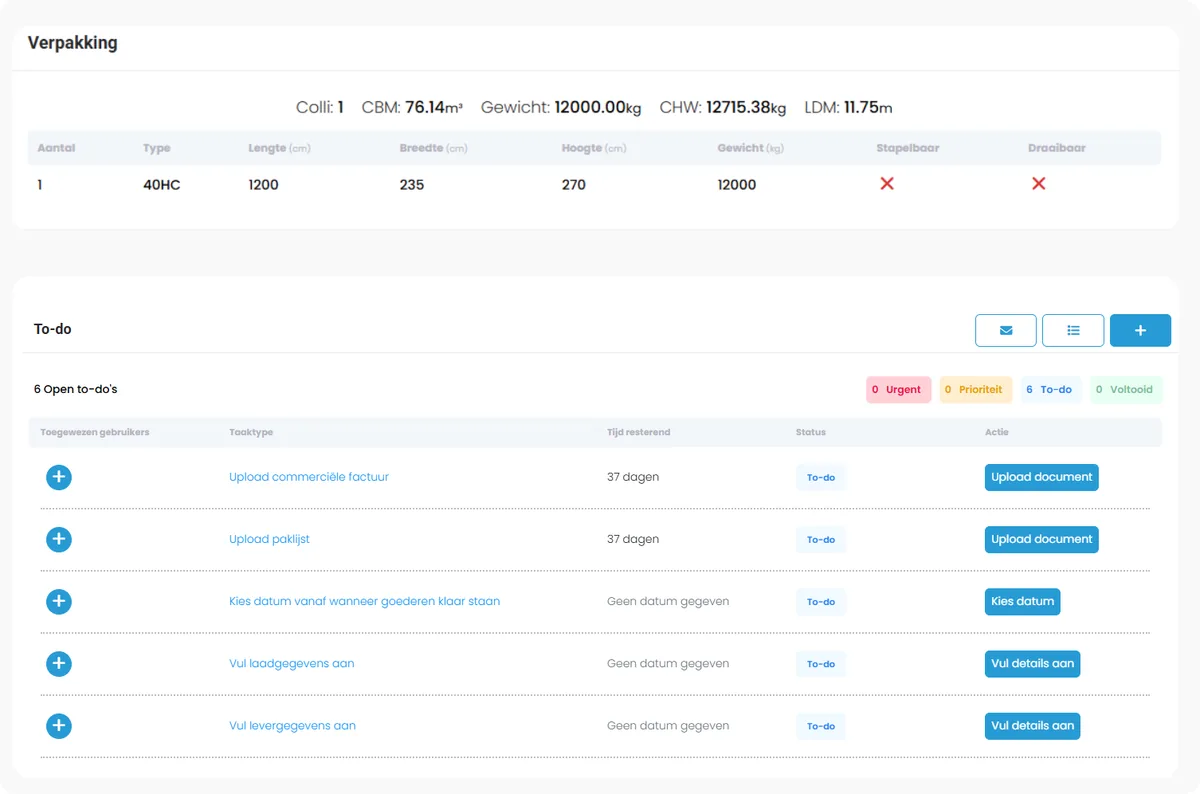
In Explect Online you ask your question in your shipment's file, to the colleague handling it. No scattered emails. An account is free.
No. Most suppliers that export work in English. A few courtesies in Chinese are appreciated, though.
Embarrassing someone in public. In China that carries a lot of weight. So you discuss a mistake in a businesslike way and with a solution.
For ordinary emails it often works well. For a contract or a complaint, have it checked by someone who speaks Chinese.